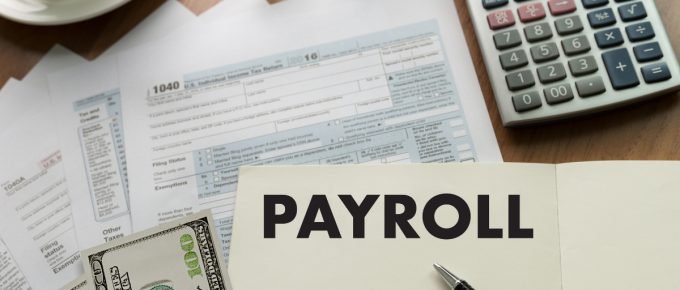

Having an understanding of and effectively managing taxes is not solely a legal responsibility, but also an essential element in successfully operating an ethical business. It safeguards your financial stability, credibility, and long-term growth potential, all while ensuring compliance with tax laws and regulations. In this article, we’ll get you up to speed on the basics of business taxes to help you feel more confident not just during tax season, but year-round. We’ll cover the EIN, business structures, tax obligations, and estimated payments. Do You Need an EIN? An Employer Identification Number (EIN), also known as a Federal Tax ID Number, is utilized to distinguish a business entity for tax purposes. You can apply for an EIN online. Not every business needs an EIN. Determining if you need an EIN depends on your business structure. For example, if your business is a corporation or partnership, you will need an EIN. If your business is a sole proprietorship, your social security number will likely act as your business’s EIN. Check if you need an EIN at this link. You will use your EIN for these purposes: Your EIN may need to change if the ownership or structure of your business has changed. Types of Business Structures When opening a new business, there are many different business structures to consider, each of which has different tax advantages and protections: Here are the main types of business structures: Your business structure serves as the basis for how you pay taxes, so choose wisely and know your business structure well. Understanding Your Tax Obligations As a business owner, you have many tax obligations, including federal income tax, self-employment tax, employment taxes, sales tax, and state taxes. Plus, you need to understand tax deductions and credits. Here we’ll cover the basic details of each, but we always recommend seeking a tax professional to learn more about your specific situation …
Continue Reading about Introduction to Business Taxes: Your Guide to Getting Started →