

2020 was crazy and 2021 is shaping up to be a very busy year. But one constant is the swiftness with which the tax filing deadline approaches. Here are some tips for last-minute tax filing. Beware of Common Errors So You Can Avoid Them In your rush to complete your taxes on time, it may be tempting to “skim” over your work so you can finish more quickly. But this rush, coupled with the new and updated tax programs that were put in place due to the coronavirus pandemic, means you will very likely make mistakes. Here are the most common mistakes to look out for: SSN Errors – One of the most important things to have correct on your tax forms are the names and Social Security Numbers for everyone on your tax return. Make sure to check the SSNs for yourself, your spouse, and any dependents. Incorrect Account Numbers – 8 out of 10 taxpayers get their refunds by direct deposit. If you get your refund direct deposited, it’s worth the time to make extra sure your bank account and routing numbers are error-free. Forgetting to Sign – Your returns are not valid unless they are signed. If you are filing jointly, make sure your spouse’s signature is there, too. File Electronically In a PDF titled “Tips to Help Last-Minute Taxpayers”, the IRS stresses the importance of filing electronically. This is a great way to complete your returns quickly, taking some of that deadline pressure off you. Double Check Your W-2 & 1099 Forms On February 9, the IRS published a news release urging taxpayers to double-check that they received their W-2 and 1099 forms. “With some areas seeing mail delays, the Internal Revenue Service reminds taxpayers to double-check to make sure they have all of their tax documents, including Forms W-2 and 1099, before filing a tax return.” In a typical year, you should receive the following forms near the end of January: W-2, 1099-MISC, 1099-INT, 1099-NEC (new this year), 1099-G. If you are missing forms, you can reach out via …

6 Small Business Tax Credits
In a previous blog article, we covered everything you need to know about tax deductions. Today, we’ll talk about small business tax credits and offer some tips for taking advantage What Is a Tax Credit? A tax credit is a dollar-for-dollar reduction. NerdWallet explains “A few credits are even refundable, which means that if you owe $250 in taxes but qualify for a $1,000 credit, you’ll get a check for $750.” This is different from a deduction, which is a dollar amount you can subtract from your adjusted gross income. There are two types of tax credits, according to the IRS: Nonrefundable: tax credits where you get a refund only up to the amount you owe Refundable: tax credits where you get a refund, even if it’s more than what you owe Let’s go through some tax credits for the self-employed, including a few that have emerged in response to the coronavirus pandemic. Earned Income Tax Credit (EITC) The Earned Income Tax Credit is determined by income and is designed to help low- to moderate-income workers and families lower their tax burdens. To qualify, you must be between the ages of 25 and 65, be filing as an individual or married filing jointly, and be considered a low-income filer. Small Business Healthcare Tax Credit The Small Business Healthcare Tax Credit offers up to 50% in credits for “costs paid for premiums purchased through the Small Business Health Options Program (SHOP) plan for ACA coverage,” according to Zenefits. This tax credit is for businesses with fewer than 25 employees whose average salary is $50,000 or less per year. American Opportunity & Lifetime Learning Credits The American Opportunity Tax Credit is a credit for “qualified education expenses paid for an eligible student for the first four years of higher education.” The maximum annual credit is $2,500 per eligible student, which includes people whose modified adjusted gross income is $80,000 or less ($160,000 for married couples filing …
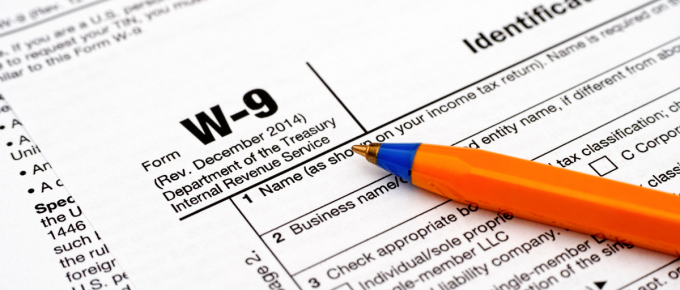
What is Form W-9 and How Does It Help Me With Form 1099?
As a business owner or accountant, you understand how important TIN checking is, but how do you get TINs in the first place? What is Form W-9? To request a TIN from an employee, freelancer, or contractor, you can use Form W-9. According to the IRS: Use Form W-9 to provide your correct Taxpayer Identification Number (TIN) to the person who is required to file an information return with the IRS to report, for example: Income paid to you. Real estate transactions. Mortgage interest you paid. Acquisition or abandonment of secured property. Cancellation of debt. Contributions you made to an IRA. Why is Form W-9 Important? If you pay full-time employees, you likely have procedures established where you collect their personal information, including their TIN. But what about your freelancers and contractors? It’s important to have a procedure for collecting their TINs, too. Form W-9 makes this easier. Mark J. Kohler explains the importance of Form W-9 well: The W-9 is your “best friend.” Some of you may be frustrated that you don’t have the information you NEED to issue Form 1099. One of the smartest procedures a business owner can implement is to request a W-9 from any vendor you expect to pay more than $600 before you pay them. Using this as a normal business practice will give you the vendor’s mailing information, Tax ID number, and also require them to indicate if they are a corporation or not (saving you the headache of sending them a 1099 next year). Having a contractor’s W-9 on file before tax season will make filing 1099s much easier. What to Do if You Receive a W-9 If you receive a W-9 from a company or person, it’s important that you complete the form accurately and return it to the company that sent it to you. That company or individual will likely keep that form on file to reference during their end-of-the-year accounting, so be prepared to receive a Form 1099-NEC or similar form from them next …
Continue Reading about What is Form W-9 and How Does It Help Me With Form 1099? →

Deductions 101 for Small Business Owners
Every small business owner knows that they need to take advantage of deductions around tax time, but what are deductions? And how are they beneficial? Deduction Basics A tax deduction is a reduction of taxable income based on certain business-related expenses that you can claim on your taxes, such as rent, business-related subscriptions, and travel. Put simply, deductions can reduce your business’s total amount of taxable income. By claiming a deduction on your business taxes, you end up paying less to the federal government. Tax deductions are also called “tax write-offs” or “write-offs.” Deductions vs. Tax Credits A tax credit is an incentive for a business to strengthen the economy, enhance people’s lives, improve society, and improve its industry in some way. Tax credits are offered by the government in an effort to reward businesses for doing good in their community and in the U.S. at large. In short, deductions are based on expenses while tax credits are based on societal improvements. Deductions reduce the total amount of income that your business is taxed on while tax credits reduce your tax bill. Tax credits benefit businesses dollar for dollar, while deductions benefit businesses by a percentage depending on your tax bracket. In general, tax credits are more valuable to businesses in lower tax brackets, while deductions are more valuable to businesses in higher tax brackets. Both deductions and tax credits can help your business pay a smaller tax bill, so it’s important to work with a tax preparer to ensure you’re taking advantage of all of your options. Unsure where to start? We cover that here. To learn more about tax credits, read this article by FreshBooks. Is There A Master List of Deductions? Surprisingly, the IRS does not have a master list of small business tax deductions. Instead, they provide a general rule of thumb for small business owners: To be deductible, a business expense must be both ordinary and …
Continue Reading about Deductions 101 for Small Business Owners →

Tax Season and Cybersecurity – Small Business Tips
Cybersecurity is important year-round, but threats increase during Tax Season. Learning cyber awareness, securing your data, and combatting identity theft can save you and your sensitive data in the future. Secure your data Your small business likely stores a lot of sensitive data on multiple devices – about your business and its finances, about yourself and your employees, and about your customers. Cybersecurity is all about securing this sensitive data. Purchase software Increasing your cybersecurity efforts often starts with purchasing new software for your devices, including: Anti-virus software Firewall software VPN Businesses typically have these pieces in place for their work in the office, but with more businesses working remotely, it’s critical that every device you use has this software – including your cell phones. Many software companies offer all three solutions in one package, often called a suite, at reasonable prices. Purchasing this software is critical for your business’s cybersecurity throughout the entire year. Use multi-factor authentication To secure your online accounts, it’s best to use multi-factor authentication (MFA). MFA can be used on devices, bank accounts, email accounts, file hosting accounts, social media accounts, and more. The IRS said, “In 2021, all online tax preparation products for tax professionals will include an option for using multi-factor authentication.” This means your tax-related accounts will likely require MFA soon. Combat identity theft The easiest way you can combat identity theft is to be vigilant when it comes to identifying phishing attacks and suspicious activity. According to the IRS: The IRS doesn't initiate contact with taxpayers by email, text messages or social media channels to request personal or financial information. This includes requests for PIN numbers, passwords or similar access information for credit cards, banks or other financial accounts. If you …
Continue Reading about Tax Season and Cybersecurity – Small Business Tips →

Help! It’s Tax Season and I Need An Accountant
If you’re a small business that doesn’t have an accountant lined up for tax season, you have a few options. In this article, we’ll discuss how different finance professionals can help you during tax season as well as your options for filing your own business taxes. Option 1: Find a certified tax professional ASAP. There are two primary types of tax professionals you can seek out to complete your business taxes: Enrolled agents – These tax pros are certified by the IRS Certified Public Accountants (CPAs) – These tax pros are licensed by state boards of accountancy When it comes to choosing a tax professional between these two options, it depends on your other needs. If you just need a tax professional during tax season or if you are facing advanced tax issues, you will want to find an enrolled agent. If you want someone to provide guidance on financial matters throughout the year, you will want to hire a CPA. If you received aid from the CARES Act, then your taxes will be more complicated for the next couple of years, including this year. To work through additional tax compliance details, it’s best to hire a certified tax professional. Option 2: Hire an accountant or bookkeeper ASAP. If you cannot find a certified tax professional, you have a few more options: Accountants Bookkeepers Unenrolled preparers While not certified tax professionals, accountants and bookkeepers can help you manage your finances and may be able to provide you with guidance for filing your taxes. While searching for someone to help you with your taxes, you may also come across tax preparers who are not enrolled agents. These unenrolled preparers may have legitimate businesses, be very knowledgeable, and may have worked as tax preparers for many years. However, it’s best to proceed with caution if you choose to use an unenrolled preparer because they can prepare your taxes, but they cannot represent you before the IRS if you face tax …
Continue Reading about Help! It’s Tax Season and I Need An Accountant →